

Summertime Pesto

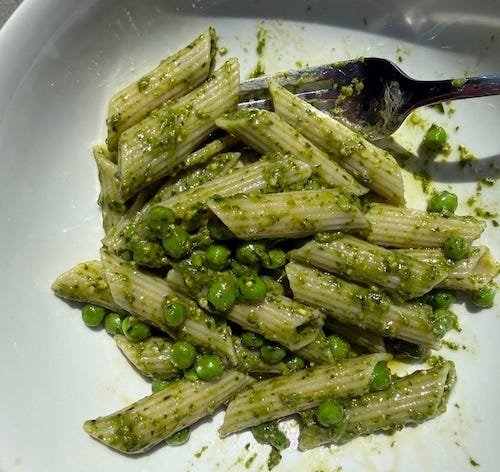
It’s basil season in much of the world, and that means copious amounts of homemade pesto. I love pesto pasta - and pesto potato salad - and I also love using pesto in lieu of mustard or mayo on a veggie wrap or tomato sandwich. Pesto is a great way to get some greens and, since it can be eaten warm, cold or at room temperature, it’s a great thing to make ahead of time and store in the frig.
When I make pesto, I like it to be potent and concentrated. Ideally, whatever is being coated is really coated, you know? Pesto can’t be weak. The ingredient list for my recipe (see below) is pretty standard, but the amounts of many of the ingredient are enhanced, sometimes doubled. For instance, when a usual recipe calls for 2cups of packed basil leaves, this recipe called for 4cups. (The garlic is doubled too!)
SUMMERTIME PESTO
Ingredients:
1 cup extra virgin olive oil
1/2 cup dry roasted pine nuts
3 medium-sized garlic cloves, peeled
1 teaspoon salt
4 (packed) cups basil leaves (stems removed)
1 cup fresh parsley (stems removed)
1/4 cup parmigiano cheese, grated
1/4 cup pecorino cheese, grated
*you can also opt for 1/2 cup of just one type of cheese, vegan cheese, or no cheese1 cup peas, lightly steamed (optional)
Instructions:
In a dry skillet, roast the pine nuts until lightly toasted and they release a subtle nutty fragrance.
Once you’ve toasted the pine nuts, place them and all of the above ingredients, except for the cheeses and the peas, in a mortar, food processor or blender. Blend until you get a smooth enough consistency, where you might still see particles of the pine nuts and the mixture is not quite creamy but close to it.
Remove the mixture from the food processor/blender, putting it in a separate bowl, and then fold the cheeses into the mixture.
Pesto is a sauce, and in the photo above, I tossed in into a gluten-free penne pasta and garnished the pasta with a healthy dose of peas.
Diet is a huge component of wellness off-the-mat. (You are what you eat.) There are three things you can do when it comes to food, that illustrate empowered wellness and might significantly improve your body’s nutrition levels, over time.
1. Can you cook and prepare as many meals as possible for yourself and family members? Eating out and getting take-out is fine once in a while, but it’s a big deal to control the quality of the ingredients by home cooking.
2. Can you sneak in more vegetables and raw foods into your diet? This might look like a pile of sprouts on a sandwich, snacking on red pepper slices, or stuffing burritos with diced tomatoes and arugula. (I’ve been actively crowding out the “bad” stuff with copious amounts of fresh veggies and fruit and I think it’s working!)
3. Can you grow your own herbs? It’s easier than you think (and you can grow herbs indoors in the winter). I don’t grow basil in the winter (thus the summertime obsession), but I do grow rosemary, parsley, cilantro and thyme year round. By adding fresh herbs to a meal - even just a sprig - you add mineral-richness to your diet.
The word basil is derived from the Greek word basileus, which means "king," so basil is the king of herbs. In India, it is known as tulsi or “holy basil” and is a very sacred Hindu plant that represents purity.
I’ve already mentioned how versatile pesto can be, but here’s a longer list:
on pasta or gnocchi
in a potato salad
as a bread spread
as a pizza topping
in rizotto
drizzled over scrambled or fried eggs
inside an omelet
as a delicious dip (with cucumber slices…my fav)
Fresh Basil is High Vibe
Many moons ago, when pesto originated, they considered it “raw paste” and anti-heat - perfect for hot summer days. The fact that the basil and parsley are raw and farm-fresh in my recipe makes this pesto healthier than most other sauces and spreads and definitely more enzymatic. The word "pesto" means "to crush" in Italian, referring to the original method of grinding the sauce in a marble mortar with a pestle. No heat applied! (And sorry to be the bearer of bad news, but store bought pesto is usually pasteurized, thus nutritionally degraded and no longer enzymatic.)
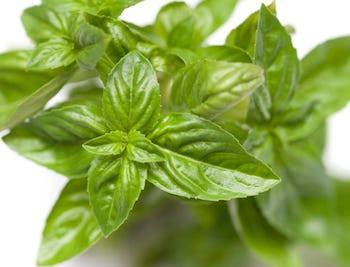
I like to remind my friends and family that basil is an herb and by eating it, we get a dose of herbal medicine. Basil is highly concentrated in vitamin K - vital for bone and blood health - and is also loaded with vitamin A, calcium, iron and magnesium.
Regarding Nuts
Pine nuts are the traditional nut for Italian pesto because they prolifically grow in the mediterranean region, but walnuts, almonds and cashews are commonly used instead of pine nuts, all around the world. If you substitute nuts, try to find raw and unsalted ones, and always lightly roast them for added fragrance and flavor.
Regarding Cheese
There is such a thing as vegan cheese and I wasn’t a fan for a long time but it’s come a long way. I like Rebel Cheese. (Not sponsored, just a fan.) You’ve got to watch out when it comes to vegan cheese though, as lots of it is loaded with ingredients you want to avoid, like nutritional yeast, soy, or seed oils.
Oh and one more thing about cheese….I buy cheese in a block and grate it myself. It adds a step, but it’s purer and fresher. It does make a difference, taste-wise and health-wise.
Okay, the time is now. Carpe diem, y’all. Beautiful basil is calling us with it’s aroma, it’s vibrant green, and it’s crisp and sunny flavor. Basil is begging us to harvest it, smell it, bring it into our kitchens, and make something with it. I suggest this summertime pesto. Buon appetito…and viva la pesto!
This all sounds delicious — I’m inspired to make some walnut pesto on this rainy afternoon!
You might want to link to your pea guacamole recipe, too. It’s so good!